Authentic Japanese Sushi

Crafted with passion, precision, and the finest ingredients from the heart of Japan

The History of Sushi
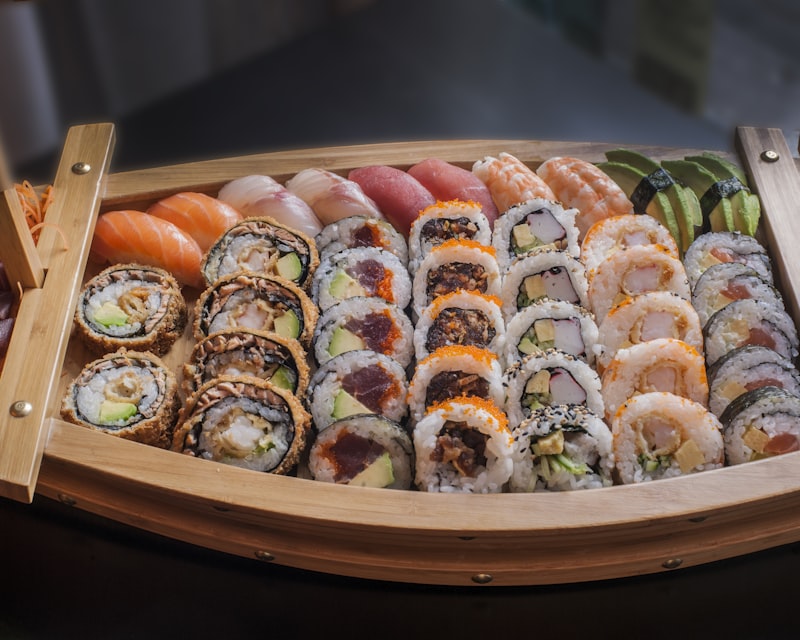
Traditional sushi preparation

From Ancient Preservation to Global Delicacy

Sushi traces its roots back to 8th century Japan, where it began as a method of preserving fish by fermenting it with rice. Over centuries, this humble preservation technique evolved into the refined culinary art we know today.

In the 19th century, Hanaya Yohei revolutionized sushi by creating nigiri sushi – hand-pressed rice topped with fresh fish – a style that quickly became popular in Edo (modern-day Tokyo) and remains iconic worldwide.

Today, sushi is celebrated globally for its balance of flavors, textures, and artistic presentation, while still honoring the traditional techniques and principles of Japanese cuisine.

Types of Sushi

Nigiri

Hand-formed rice balls topped with fresh raw fish, seafood, or egg. Nigiri is the most recognizable form of sushi, showcasing the quality of the fish and the skill of the sushi chef.

Maki

Rice and fillings wrapped in nori (seaweed) and cut into bite-sized pieces. Common variations include California rolls, spicy tuna rolls, and cucumber rolls.

Sashimi

Though not technically sushi (it contains no rice), sashimi is thinly sliced raw fish or seafood served with soy sauce, wasabi, and pickled ginger. It highlights the pure flavor of fresh fish.

Temaki

Hand-rolled cones of nori filled with rice, fish, and vegetables. Temaki is casual and easy to eat, perfect for sharing and enjoying fresh flavors.

Our Philosophy

At Fresh Sushi, we believe that great sushi is about respect – respect for the ingredients, respect for tradition, and respect for our guests. We source only the freshest, highest-quality ingredients, and our chefs train for years to master the precise techniques that make authentic Japanese sushi so special. Every piece is crafted with care, attention to detail, and a deep appreciation for the culinary heritage that has shaped sushi for centuries.